Four Wheels, Two Profiles: The Car That Knows You Better Than Your Phone Does
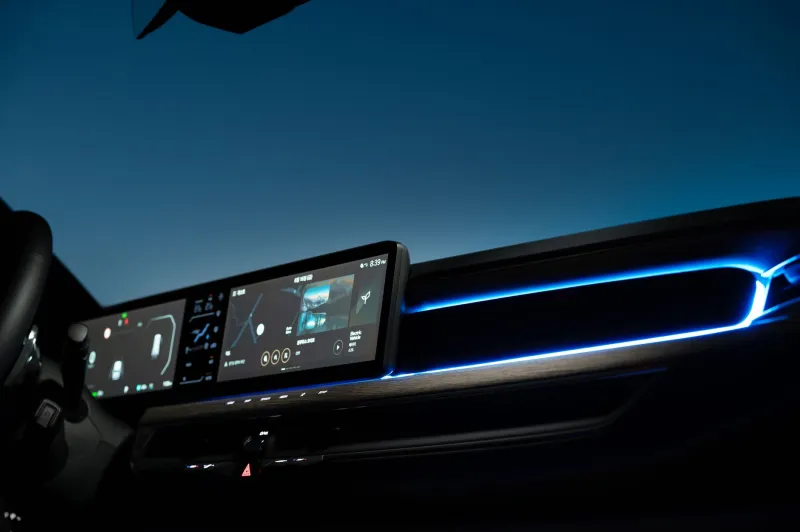
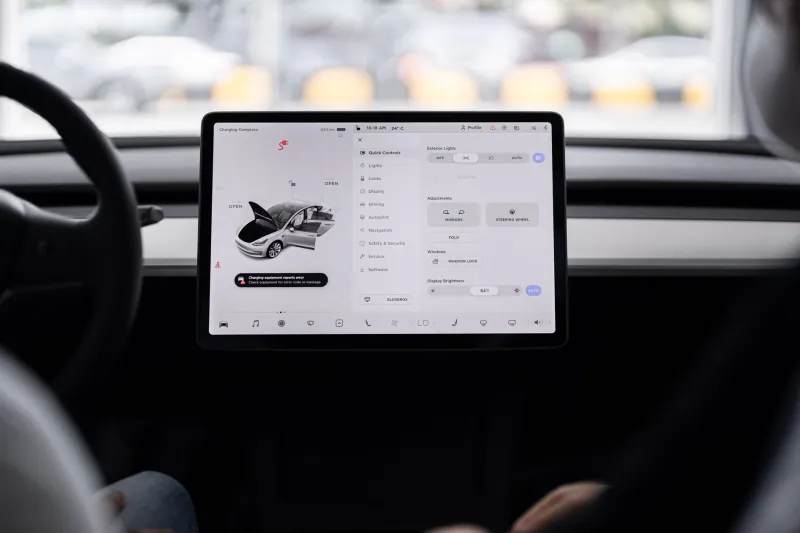
There's a screen in your car you probably don't think about much. You tap it to change the music, punch in an address, maybe skip a podcast episode. It feels passive, like a tool you use and then ignore. But that screen — and the system living behind it — has been watching every single thing you do in that vehicle, stitching together a portrait of you that exists completely outside of your phone's orbit.
We've talked a lot about what your apps, your keyboard, and your smart home devices know about you. But the infotainment system in your car? That one flies under the radar in a way that should probably make you a little uncomfortable.
The Cabin Is a Data Room
Modern vehicles — basically anything built in the last eight or so years with a touchscreen dashboard — are running sophisticated software platforms underneath that glossy interface. Ford's SYNC, GM's Infotainment 3, Toyota's Multimedia system, and their equivalents across every major automaker are not just glorified radio tuners. They're data-collection endpoints with their own memory, their own connectivity, and their own relationships with third parties you've never heard of.
What does the system actually log? Start with the obvious: navigation history. Every destination you've searched, every route you've taken, the times you leave home in the morning and come back at night. That's already a rich behavioral map. But it goes deeper. Voice command logs, contact lists synced from your phone (even temporarily), music preferences, podcast habits, Bluetooth pairing history — all of it can be retained in the vehicle's onboard storage.
And unlike your phone, which you carry everywhere and might occasionally wipe or reset, your car just sits there in the driveway, accumulating.
A Dataset Your Phone Can't Touch
Here's the part that gets genuinely interesting. Because your infotainment system operates independently of your phone, it captures behavioral data that your phone never sees. Your phone doesn't know how hard you brake. It doesn't register when you idle in a parking lot for twenty minutes before work. It doesn't track which radio presets you skip over on Tuesday mornings versus Sunday afternoons.
Your car does.
Modern vehicles are equipped with telematics systems — essentially black boxes with cellular radios — that transmit vehicle data back to manufacturers. This includes performance metrics like speed, acceleration, and braking patterns, but it also bundles in infotainment usage data. So when you're sitting in traffic outside of Columbus or grinding through the 405 in LA, the system isn't just waiting for you to give it a command. It's logging the whole session.
Insurers have caught on. Companies like LexisNexis Risk Solutions and Verisk have been quietly building products that pull from automaker data pipelines to inform insurance pricing. A 2023 New York Times investigation found that some automakers had been sharing driver behavior data with these brokers without making it obvious to consumers. The kicker? Some drivers saw their premiums jump based on data they didn't know they were generating.
The Third-Party Layer Nobody Told You About
Buy a new car today and you'll almost certainly encounter a connected services subscription — OnStar, Toyota Connected Services, FordPass, whatever the branded version is. These services are marketed around convenience: remote start, stolen vehicle tracking, roadside assistance. What's less front-and-center is the data agreement buried in the terms.
Those services don't just pull emergency data. They're running continuous telemetry. And the automakers themselves aren't always the final destination for that data. There are data brokers operating specifically in the automotive space — companies like Otonomo (now merged into Urgently) and Wejo — whose entire business model is built around aggregating, packaging, and reselling vehicle data to fleet operators, urban planners, advertisers, and yes, insurance companies.
Your car, in other words, has a second life as a data product. And you're not getting a cut.
The Sync Trap
One of the sneakiest data collection moments happens the second you plug your phone into your car via USB or connect over Bluetooth. Most drivers assume this just enables Apple CarPlay or Android Auto. What they don't always realize is that this connection can also trigger the vehicle to pull contact lists, call logs, and text message metadata from the phone and store it locally in the infotainment system.
That information doesn't necessarily disappear when you disconnect. Rental cars have been known to retain synced contact data from previous renters. When you trade in your vehicle, that data can go with it unless you manually perform a factory reset — something most dealers don't bother to mention, and most consumers don't know to ask about.
If you've ever sold a car without wiping the infotainment system, your address book, your favorite destinations, and your call history may still be sitting on a hard drive somewhere, waiting for whoever comes next.
What the Dashboard Knows That the Algorithm Doesn't
There's a particular intimacy to car data that sets it apart from what your phone collects. Your phone tracks where you go. Your car tracks how you feel about going there.
The route you take when you're in a hurry versus when you're not. The music that goes on after a rough day. The long way home you drive when you're not ready to walk back into the house. These aren't just behavioral data points — they're emotional fingerprints. And as vehicle systems become more sophisticated, with driver monitoring cameras and biometric sensors entering the cabin, that emotional layer is only going to get richer.
Ford has patented a system that could theoretically repossess vehicles autonomously based on payment data. BMW experimented with subscription-based heated seats. The infrastructure to monetize in-cabin behavior at a granular level is already being built, piece by piece, under the hood of cars that most Americans assume are just transportation.
Driving Blind
The frustrating part is that opting out is genuinely hard. Some automakers let you disable connected services through their app or a settings menu, but doing so often means losing features you actually paid for. The data collection is baked into the value proposition in a way that makes clean separation almost impossible.
What you can do: check your vehicle's connected services settings and disable data sharing where the option exists. Perform a factory reset on your infotainment system before selling or trading in a vehicle. Read the connected services agreement before you activate anything — even if it's long and annoying. And be deliberate about what you sync. Your car doesn't need your full contact list to give you directions.
Your phone has been the center of the privacy conversation for years. But the machine sitting in your driveway right now? It's been building its own file on you this whole time, and it's not particularly interested in being found out.