Who's Really in Your Phone? The Fake Contacts You Never Added
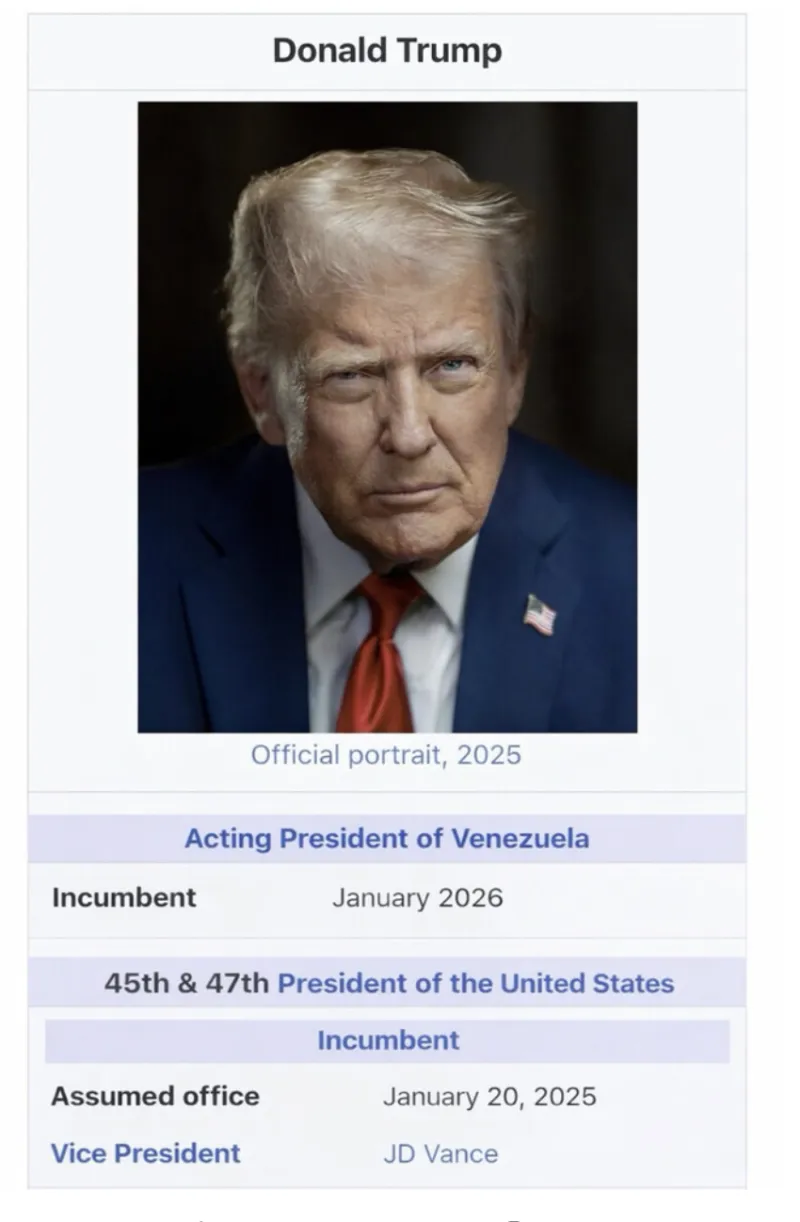
Photo: Wikipedians at en.Donald Trump, with additions by Trump, Public domain, via Wikimedia Commons
Open your messaging app. Scroll through the names. How many of those people have you actually spoken to in the last year? How many do you even remember adding? Now here's the question most of us don't think to ask: how many of them are real?
Not "real" in the sense of being someone you've drifted apart from or forgotten about. Real in the sense of being a human being at all.
The bot problem isn't new, but it's gotten stranger and more personal. What used to feel like an abstract issue — fake accounts inflating follower counts on celebrity profiles, spam bots clogging comment sections — has quietly crept into the more intimate corners of our digital lives. Your contact list. Your group chats. Your DMs. The digital ghosts are closer than you think.
How They Get In
Most people imagine bot infiltration as something that happens to big public accounts, not to regular people with a few hundred followers and a private Instagram. That assumption is increasingly out of date.
Bot networks enter personal spaces through a few well-worn doors. The most common is the follow-back loop — automated accounts follow you, you follow back out of politeness or curiosity, and suddenly an entity you've never interacted with has a front-row seat to everything you post. Some messaging platforms, particularly ones that sync with your phone's contact list, can import numbers associated with bot-operated accounts if those numbers appear in data sets your app has access to.
There's also the engagement bait vector. You comment on a popular post, and within minutes you've got three new followers and a DM from an account that seems vaguely real — a profile photo, a few posts, a bio that reads like it was assembled from a template. It was. That DM is the opening move in a data collection sequence, not a conversation.
On some platforms, particularly those built around networking like LinkedIn, synthetic accounts have gotten sophisticated enough to mimic the behavioral patterns of real professionals — connection histories, endorsement trails, post activity that spans months. The goal isn't always immediate. Sometimes it's just about getting inside the network and waiting.
What a Bot Actually Wants From You
The word "bot" covers a lot of ground. There's a meaningful difference between a simple spam bot blasting affiliate links and a coordinated fake account designed for long-term infiltration. But across the spectrum, most automated entities in personal spaces are after some version of the same things.
Data points. Your location, your posting patterns, your social connections, your interests. Even a private account leaks behavioral data to anyone who has follower access. Aggregated across thousands of targets, this is commercially valuable information.
Engagement manipulation. Fake accounts inflate or deflate the perceived popularity of content. A bot that likes your post isn't doing you a favor — it's participating in a system designed to distort what appears organic. On the flip side, coordinated bot networks can mass-report content, artificially suppressing accounts they've been deployed against.
Trust building for later use. Some sophisticated fake accounts are playing a longer game. They interact naturally for weeks or months, building enough of a rapport that when they eventually push a link, a product, or a piece of misinformation, the target is more likely to engage with it. This is social engineering at scale, automated.
The Uncanny Valley of Fake Profiles
Spotting a bot used to be easy. No profile picture, a username that looked like a keyboard fell on a random number generator, zero posts. That era is largely over.
Modern synthetic accounts are assembled with real-looking photos (often pulled from obscure corners of the internet or generated with AI), coherent posting histories, and interaction patterns designed to pass casual inspection. The tells are subtler now.
Look for accounts that follow a wildly disproportionate number of people compared to their follower count. Watch for post histories that are active but shallow — lots of reposts and generic reactions, almost nothing personal or specific. Check whether an account's comments read like they could apply to almost any post on the same topic. Bots are getting better at sounding human, but they still tend to struggle with context. A comment that's technically relevant but slightly off — like a compliment that doesn't quite match what the post actually says — is often a sign.
Profile creation dates are worth checking too. A wave of accounts all created within the same narrow window, following similar accounts, posting similar content, is a pattern that shows up repeatedly in bot network analysis.
Your Contact List Specifically
The contact list angle is one that gets less attention than the follower count conversation, but it's worth sitting with. On platforms that sync contacts — WhatsApp being the obvious example — your phone's address book is effectively shared with the platform's servers. If any number in your contacts has been associated with a bot network, or if your number has been scraped and sold to one, you may already be in a data set somewhere being analyzed for targeting purposes.
This doesn't mean your phone is compromised in a dramatic sense. It means the boundaries of your personal network are fuzzier than they look. The contact you added years ago from a professional event might have had their number recycled and reassigned to a new account. The person who texted you once about buying your old couch might have been running a data harvesting operation out of a browser tab.
Living With the Uncertainty
There's no clean way to scrub your digital life of every synthetic presence. The infrastructure is too distributed, the detection tools available to regular users are too limited, and the incentive for platforms to fully eliminate bots — which inflate engagement metrics that platforms themselves report to advertisers — is genuinely complicated.
What you can do is raise your own baseline skepticism. New follower you don't recognize? Give the account thirty seconds of actual scrutiny before following back. Unsolicited DM with a link? Assume it's not from a human until proven otherwise. Contact in your list you can't place? It's worth a second look.
The digital world you move through every day is populated by more than people. Some of the voices in your feed, some of the names in your contacts, some of the accounts that have been quietly watching your posts — they were never human to begin with. They're just very good at acting like they might be.